Why Costco Is the Ultimate "Trust Marketer" (And What We Can Learn From Them)
When people first hear the term “Trust Marketer,” they usually say something like, “I don’t know what that means.” (I wrote a blog post about this.) In an online world saturated with algorithm hacks, flash-in-the-pan viral stunts, and high-pressure sales funnels, building a brand entirely on long-term credibility feels…questionable.
But here’s what I think.
True trust isn't built on a quick ad spend that vanishes the moment your budget cuts off. It’s built on social proof, consistency, transparency, and a relentless focus on the customer — acting as an expert guide rather than just pushing a product.
If you want to see the gold standard of trust marketing in the wild, look at Costco. It’s my favorite place to grab a meal while shopping, and (conveniently) it also offers great marketing inspiration.
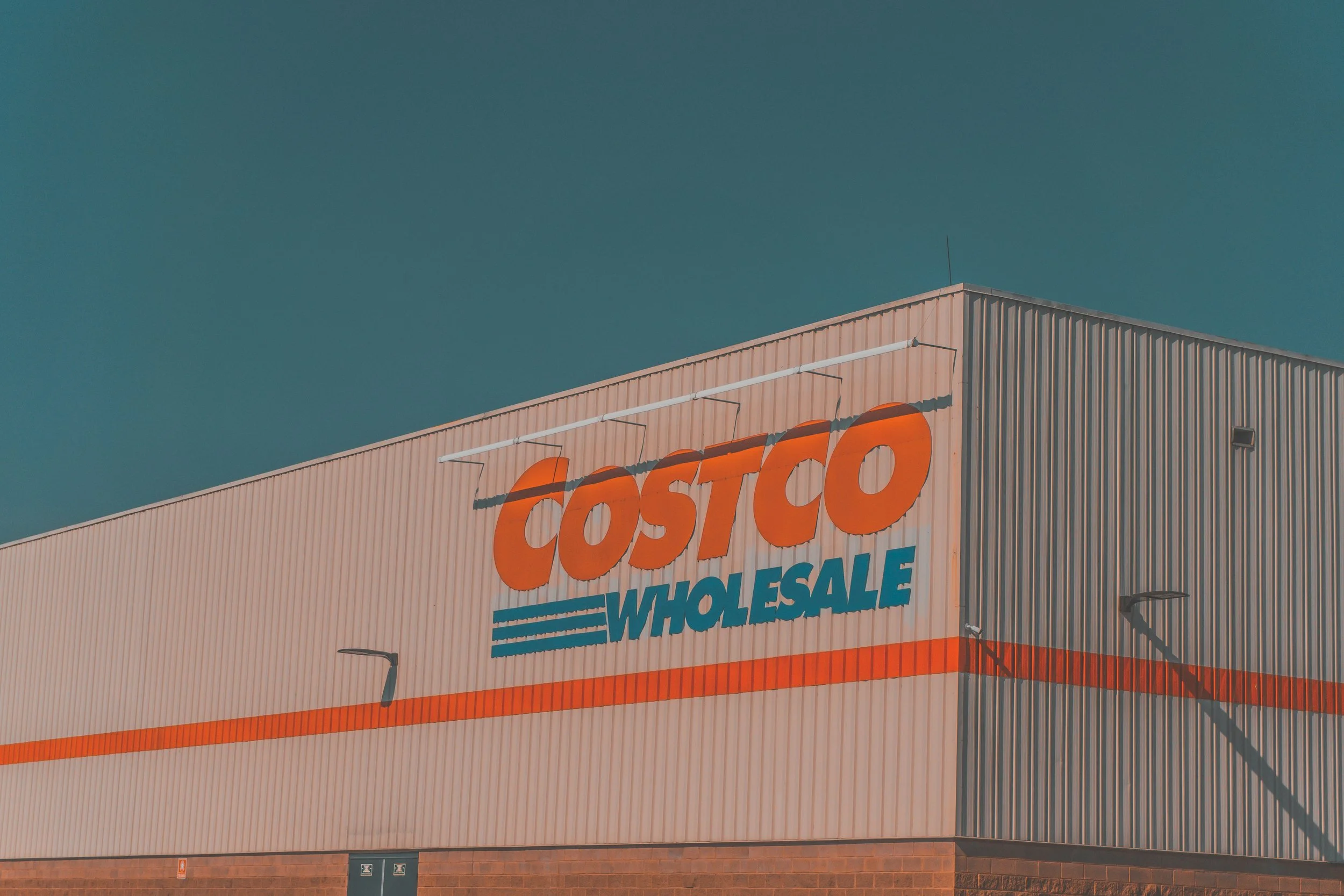
Photo by Omar Abascal via Unsplash.
Costco doesn’t run splashy TV commercials. They don’t chase social media trends. And if we’re being honest, they might even be a little… boring. (Their logo is as unflashy as it gets, and the rest of their materials are in Times New Roman font.) Yet, they command ferocious, almost cult-like brand loyalty (most recently with millennials, according to The Seattle Times).
Here is why Costco is the ultimate trust marketer — and how you can apply their playbook to your own business.
Radical Transparency and Customer-Centric Pricing
Traditional retail models often rely on hidden markups or constantly shifting prices to squeeze maximum margin out of every transaction. Costco takes the opposite approach.
The company famously caps its gross margins on almost all items at around 14-15%. If buyers negotiate a better deal with a supplier, Costco passes those savings directly to the consumer instead of pocketing the extra profit. If they can’t sell something for an acceptable price with those margins, they don’t carry it.
When a consumer knows a company isn't trying to price-gouge them at every turn, the psychological friction of buying disappears. Transparency acts as an anchor for brand integrity.
The Ultimate Social Proof (The Return Policy)
Costco’s return policy is legendary. Outside of a few electronics and appliances, they offer a near-universal "satisfaction guarantee" with virtually no time limits.
Most traditional businesses would look at this and panic, fearing rampant abuse. Costco looks at it as a sacred trust promise. By removing the risk of buyer’s remorse entirely, they put the ball back in the customer's court and say, “We trust you, and we stand by what we sell.”
Social proof isn’t just about showing customer testimonials on a landing page; it's about backing up your quality with structural guarantees. When a brand refuses to let you regret doing business with them, you become a customer for life — and you tell your friends without them ever having to ask.
Consistency Over Chaos
If you walk into a Costco anywhere in the country, you know what you’re getting: wide concrete aisles, giant bulk packages, a sample station, and a food court hot dog that has proudly cost $1.50 since 1985. They don't panic when retail trends shift; they double down on consistency.
Even their famous "Costco Hot Dog" is a masterclass in trust. Executives have famously rejected ideas to raise the price because they know it would break the silent contract of value they have built with their members, so they take it as a loss, knowing the gains come elsewhere.
Consistency eliminates cognitive load. When your messaging, pricing, and quality remain rock-solid across every channel and touchpoint, your audience doesn't have to guess whether you'll deliver.
Free Samples
Aside from the iconic Costco Hot Dog, Costco is also widely known for it’s free samples. Afraid to buy a box of 100 granola bars when you’re sure your kids will refuse to eat them three bars in? Costco understands! The store provides shoppers with a small, accessible taste, which often builds the confidence necessary for customers to commit to the full product.
Content marketers can take a lesson from this. When clients question why they should offer valuable information freely rather than gating it behind a paywall, the answer lies in trust. By providing high-quality, actionable insights without an initial transaction, you demonstrate your competence and value, lowering the barrier to entry and creating a relationship where customers are far more likely to seek out your paid offerings once they’ve experienced the quality of your work firsthand.

Photo by Sean Lee via Unsplash.
Costco proves that you don't need to shout to win. By prioritizing the customer's long-term experience over a quick transactional win, they've built a model where sales don't just happen —they stay, grow and replicate through word-of-mouth. That is trust marketing at its finest.
Whether you're running a local business, a scaling enterprise, or a nonprofit trying to build a sustainable donor base, ask yourself: Are you chasing the next marketing hack, or are you building a Costco-level foundation of trust?